Is obesity
a disease?
Yes. And understanding why changes how it is treated: without guilt and without myths.
Obesity is a chronic disease, recognised by the World Health Organization. It has biological, genetic and environmental causes, and does not depend solely on willpower. Just like diabetes or high blood pressure, it is managed through long-term care.
What is your starting point?
Calculate your BMI in 30 seconds. This is not a diagnosis, but it helps to see if it is worth speaking to a professional.
Myth or fact?
Read the sentence and choose your answer.
By the numbers
More than half
of adults in Portugal are overweight.
1 in 5
of adults in Portugal have obesity.
5 to 10%
of weight lost already brings health benefits.
Because it is a disease, not a choice
Weight doesn't just depend on what you eat. The body has its own system for regulating hunger, satiety and energy, and this system is influenced by much more than willpower.
Genes
They influence appetite, satiety and how the body stores fat.
Hormones
The body regulates hunger and satiety and tends to defend its current weight. Why is it so hard to lose weight?
Environment
Highly processed food always to hand, larger portions and days spent sitting down.
Sleep, stress and emotions
Poor sleep, living with stress and emotional eating all tip the scales. A psychologist can help.
What excess weight does to the body
Obesity is not just about appearance. Over time, it increases the risk of other diseases, which is why it is worth treating.
The good news: losing 5 to 10% of your weight already reduces many of these risks. During a medical assessment, your doctor will evaluate your risk and work with you to decide where to start.
How it is assessed
BMI is the first step: 30 or above indicates obesity, while between 25 and 29.9 indicates being overweight. However, your doctor will also look at your waist circumference, blood tests and your medical history, because two people with the same BMI can have very different health risks.
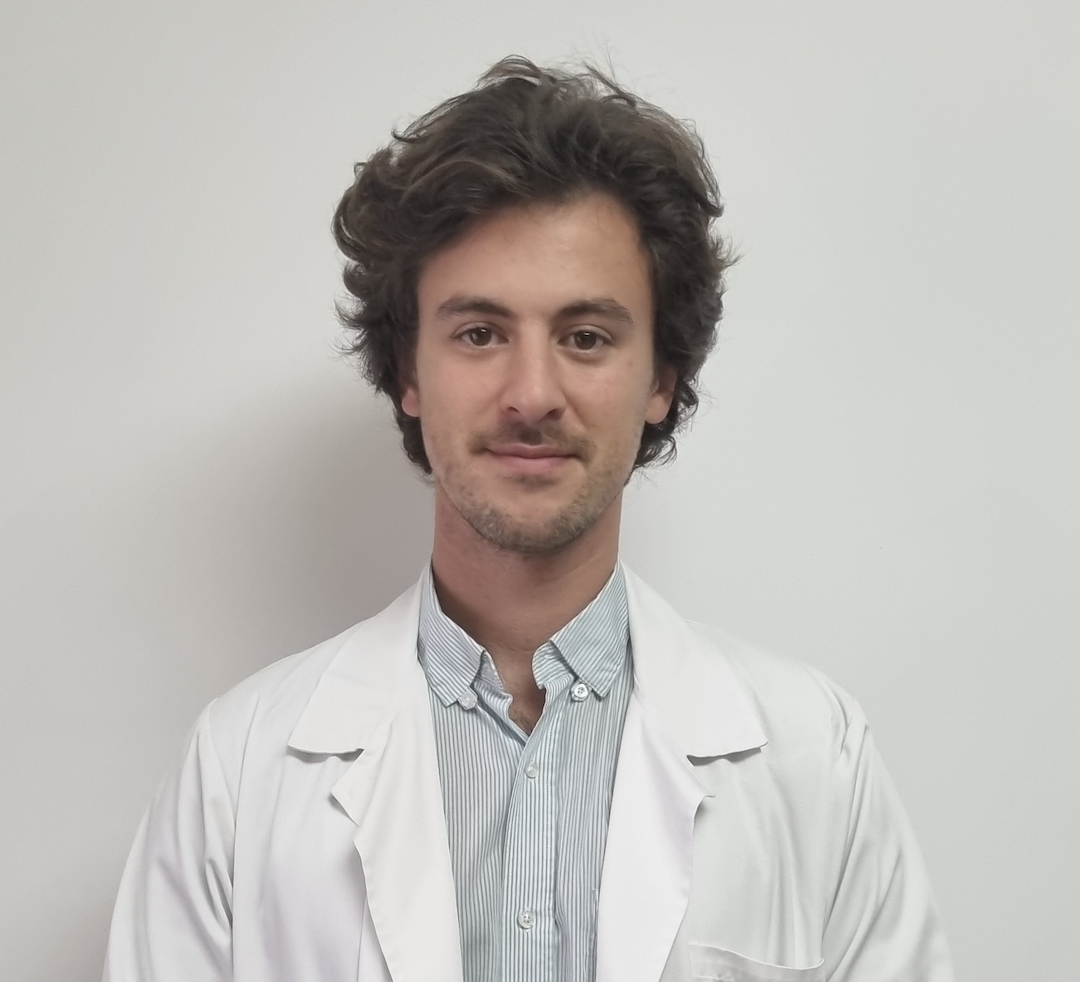
“Once someone realises that weight is not a personal failing, they stop fighting against themselves and start treating themselves.”
Dr João Sousa, General and Family Medicine
What you can do
from today
You don't have to do this alone.
Doctor, nutritionist and psychologist in one plan, with chat support between appointments.

Frequently asked questions